Throughout the novel, Girl, Woman, Other by Bernardine Evaristo, the character Penelope struggles with identity. In her chapter, we learn that she is adopted, and is left with no knowledge of who her true parents are. However, within the Epilogue, it is revealed that Grace is in fact Penelope’s mother. Evaristo writes, “this metal-haired wild creature from the bush with the piercingly feral eyes is her mother this is she this is her who cares about her colour? why on earth did Penelope ever think it mattered?”(Evaristo, 2019). These lines show how Penelope’s perspective shifts. Due to her lack of knowledge of identity, she grew up treating others (particularly those who had a darker skin tone) with a poor attitude.

To some extent, it’s fair to say that Penelope has every right to be sour about her situation; however, that does not excuse her behavior. In this moment though, Penelope seems to change. She realizes that the color of someone’s skin does not matter at all. Recognizing that her own mother is not white is a pivotal moment in Penelope’s identity journey. I think this moment is beautiful, because it shows that Penelope is just relieved to receive an ounce of love from someone who is actually her family member. This is something that she has never experienced before, so she is quick to set aside any prior hesitations she would have had towards an individual such as her mother.
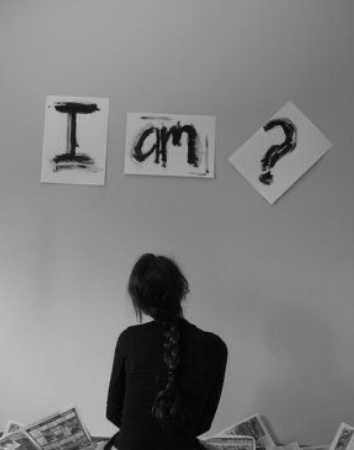
In an article titled, “Why Identity Matters and How it Shapes Us” by Sanjana Gupta, the importance of understanding and valuing one’s identity is discussed. Understanding who you are allows you to appreciate your culture.
“Having a strong sense of identity allows you to understand, appreciate, and take pride in your cultural heritage. This can empower you to participate actively in society, express your unique perspective, and contribute to positive societal change.”
SanJana Gupta (2026).
This relates greatly to Penelope and how she lacks a true understanding of her culture. This lack of knowledge makes her treat others (who could possibly be related to her) very very poorly. Penelope always thought she was the best, and was quick to judge those with darker skin tones. If she was aware of her true identity, her actions throughout life would have been completely different. She would have taken more action to help marginalized students, and would have viewed life completely differently.
Penelope is a perfect example of why understanding and knowing your identity is super important.
Understanding identity= Understanding culture
Leave a Reply